Drinks
Coffee nutrition, the complete picture.
1 cup (8 fl oz) of coffee is 2 calories and 0.3 g of protein. The source is the USDA entry “Beverages, coffee, brewed, prepared with tap water”. Set the serving below and the panel works it out, with the full nutrient table following your choice.
USDA FoodData Central record 171890 supply every value here. The calculation happens in this page.
Coffee calories by portion
1 cup (8 fl oz) of coffee is 2 calories. Per 100 g it is 1. USDA publishes the serving weights below, so these are measured portions rather than rounded guesses.
| Serving | Weight (g) | Calories | Protein (g) | Carbs (g) | Fat (g) |
|---|---|---|---|---|---|
| 1 fl oz | 30 | 0 | 0 | 0 | 0 |
| 6 fl oz | 178 | 2 | 0.2 | 0 | 0 |
| 1 cup (8 fl oz) | 237 | 2 | 0.3 | 0 | 0 |
| 100 g | 100 | 1 | 0.1 | 0 | 0 |
How much protein is in coffee?
1 cup (8 fl oz) of coffee carries 0.3 g of protein, which is 1 percent of the 50 g Daily Value. Measured by calories, coffee is 48 percent protein: enough to build a meal on.
Of every 100 calories, 73 come from protein, 27 from fat and 0 from carbohydrate.
Choosing and using coffee
Coffee beans are the roasted seeds of a tropical fruit. Shops sell them whole or ground, usually classified as Arabica or Robusta. Arabica offers a smoother flavour, whilst Robusta is more bitter. Buy whole beans with a clear roasting date. Avoid oily beans if you prefer a lighter, brighter flavour.
Heat extracts soluble compounds from the grounds. Water that is boiling hot ruins the brew, making it taste unpleasantly bitter and burnt. The most common mistake is leaving brewed coffee on a hot plate, which scorches the liquid. Keep ground coffee away from moisture and air to prevent staleness.
This ingredient is mainly consumed as a beverage, but it also flavours food. Italian cooks use it to soak sponge biscuits for tiramisu. In Mexican cooking, it deepens the flavour of savoury chilli dishes. It pairs naturally with dark chocolate, vanilla, and roasted nuts in desserts.
Everything USDA measures in coffee
The table follows the selector above, so change the serving or the method and every row updates. Values are per serving, not per 100 g, unless you pick 100 g.
| Nutrient | Amount | % Daily Value |
|---|
Putting coffee into a day of eating
If you eat 2,000 calories a day, 1 cup (8 fl oz) of coffee accounts for 0 percent of them, and for 1 percent of the 50 g protein benchmark. To replace 2,000 with your real number, use the TDEE calculator; to turn that into targets, the macro calculator.
Three ways to use coffee
Three recipes from the Calorie Counter Team, each costed ingredient by ingredient against USDA records, so the per-serving figures are sums, not guesses.
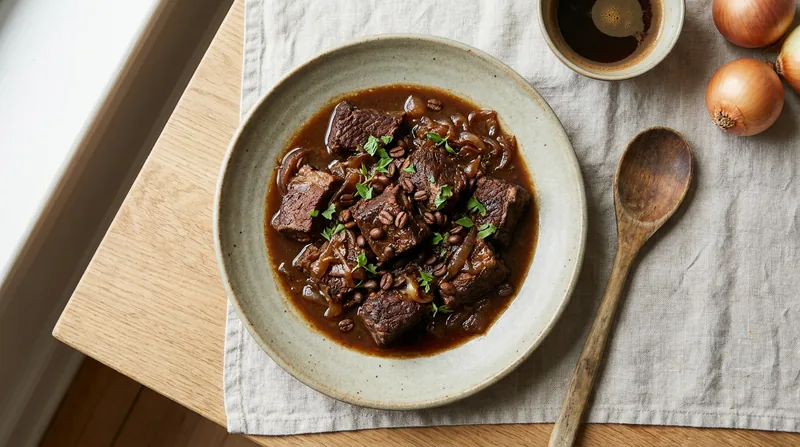
Dinner · British
Coffee-braised Beef
Beef brisket slow-cooked in a black coffee and onion broth until tender.
Ingredients
- Beef brisket 900 g
- Vegetable oil 15 g
- Onions 300 g
- Brewed black coffee 500 g
- Beef stock 250 g
- Salt 6 g
Method
- Season the beef brisket with the salt on all sides.
- Heat the vegetable oil in a large heavy pot over medium heat and brown the beef for five minutes on each side.
- Remove the beef, add the sliced onions to the pot, and cook for eight minutes until soft.
- Return the beef to the pot, pour in the brewed coffee and beef stock, and bring to a simmer.
- Cover the pot with a tight lid, reduce the heat to low, and cook for three hours until the meat is tender.
Summed from 6 USDA records and divided by servings. Heat alters weight and a few nutrients, so read it as a close figure.
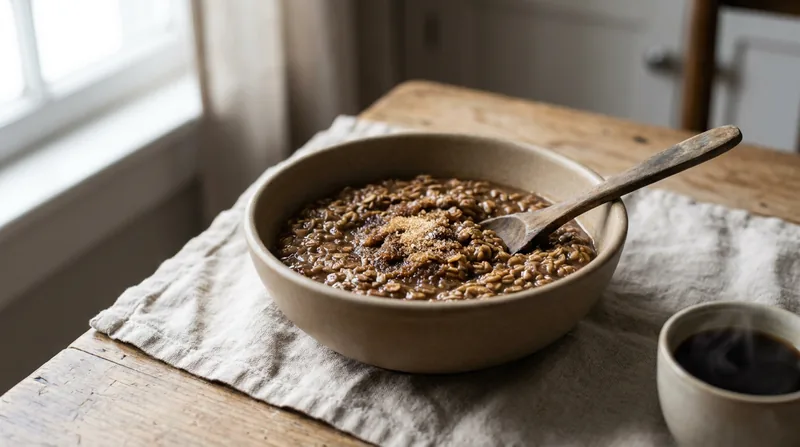
Breakfast · British
Coffee Porridge
Rolled oats cooked in a mixture of milk and brewed coffee.
Ingredients
- Rolled oats 90 g
- Brewed black coffee 250 g
- Whole milk 250 g
- Brown sugar 30 g
- Salt 1 g
Method
- Combine the rolled oats, brewed black coffee, whole milk, and salt in a medium saucepan.
- Place the saucepan over medium heat and bring the liquid to a gentle boil.
- Reduce the heat to low and simmer for eight minutes, stirring constantly, until the oats are soft.
- Remove the pan from the heat and stir in the brown sugar before serving.
Built from 5 USDA ingredient records. A cooked dish never matches its raw sum exactly, but it stays close.
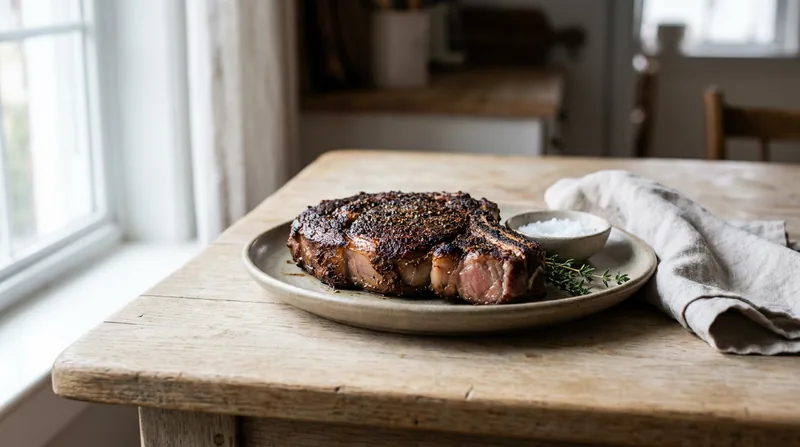
Dinner · American
Coffee-Rubbed Beef Steak
A pan-seared beef steak coated in a dry rub of ground coffee and spices.
Ingredients
- 400g beef ribeye steak 400 g
- 10g ground coffee 10 g
- 5g brown sugar 5 g
- 4g table salt 4 g
- 2g black pepper 2 g
- 15g olive oil 15 g
Method
- Mix the ground coffee, brown sugar, salt, and black pepper in a small bowl.
- Rub the spice mixture evenly over all sides of the beef steak.
- Heat the olive oil in a heavy frying pan over medium-high heat until hot.
- Cook the steak for three minutes on each side for medium-rare.
- Rest the steak on a board for five minutes before slicing.
Per serving, from 6 USDA FoodData Central records. Cooking changes weight and some nutrients; treat these as close rather than exact.

Calorie Counter Team, food critic
What a meal with coffee adds up to
Here is coffee as part of a plate, with each component taken from its own USDA record and the total added up.
| Item | Serving | Calories | Protein (g) |
|---|---|---|---|
| Coffee | 1 cup (8 fl oz) | 2 | 0.3 |
| Brown rice, cooked | 1 cup | 248 | 5.5 |
| Raspberries | 1 cup | 64 | 1.5 |
| Together | 314 | 7.3 |
How coffee compares with similar foods
All figures are for 100 g. Check the form column before comparing a raw food with a cooked one.
| Food | Form | Calories | Protein (g) | Carbs (g) | Fat (g) |
|---|---|---|---|---|---|
| Orange juice | Raw | 45 | 0.7 | 10 | 0.2 |
| Coconut water | As sold | 19 | 0.7 | 3.7 | 0.2 |
| Coffee | As sold | 1 | 0.1 | 0 | 0 |
Coffee: common questions
What is the calorie count for 1 cup (8 fl oz) of coffee?
2 calories, according to USDA FoodData Central: the record is “Beverages, coffee, brewed, prepared with tap water”, FDC 171890. That works out at 1 per 100 g.
Is there much protein in coffee?
0.1 g per 100 g, so 1 cup (8 fl oz) of coffee supplies 0.3 g. Against the Daily Value that is 1 percent.
Can you eat coffee when trying to lose weight?
That depends on the rest of the day, not on coffee. For planning: 1 cup (8 fl oz) of coffee is 2 calories and 0.3 g of protein, 48 percent protein by energy, which is a favourable trade when calories are tight.
How should stored coffee beans be kept fresh?
Keep beans in an airtight container in a dark, cool cupboard. Do not store them in the fridge or freezer. Condensation damages the delicate oils inside the beans, which ruins the flavour when you brew them later.
Why does coffee sometimes taste sour?
Under-extraction causes this sour taste. This happens when the water passes through the grounds too quickly or the grind size is too coarse. To fix this, grind your coffee beans more finely before brewing.
Sources
- Beverages, coffee, brewed, prepared with tap water — USDA FoodData Central, FDC ID 171890
- Daily Values for nutrition labelling, 21 CFR 101.9
Stop doing this by hand.
You just looked up one food. CalorieCounter reads a whole plate from a photo, serving and preparation included. It is coming to the App Store for iPhone — leave your email and you get the link the day it is live.